
Prensa
20 Aug 2026
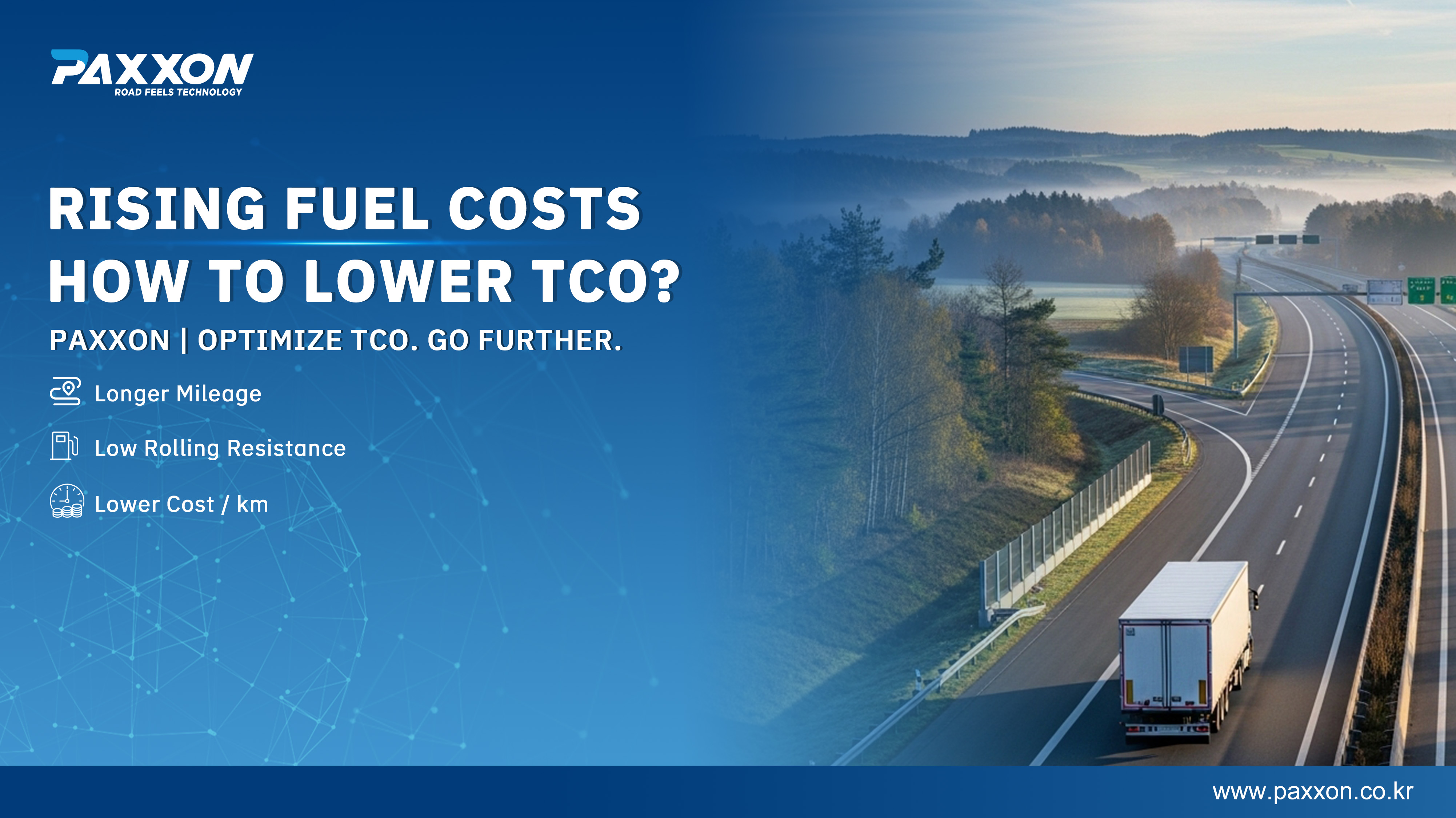
Rising Fuel Costs: How Can European Heavy-Duty Fleets Optimize TCO?
As energy costs, environmental requirements, and transport efficiency continue to gain importance across the industry, shifting from “purchase price” to “total lifecycle operating cost” is becoming an increasingly important trend in tire management for European heavy-duty truck fleets.
Fuel costs typically account for 25%–35% of heavy-duty truck operating costs. For a heavy-duty truck traveling 150,000 km per year, if the fuel price increases by €0.10/L and annual fuel consumption is approximately 45,000 L, this means:
→ An annual increase in fuel costs of approximately €4,500 per truck
For fleets operating dozens or even hundreds of trucks, this cost pressure can be significantly amplified.
As fuel costs continue to rise, simply focusing on fuel purchase prices is no longer enough to address cost pressures. For fleet managers, reducing energy consumption per kilometer, improving vehicle operating efficiency, and controlling TCO are becoming increasingly important ways to enhance fleet competitiveness.
Although tires are only one component of a vehicle, factors such as rolling resistance, service life, tire pressure management, and tire selection can all affect overall vehicle operating efficiency.
Therefore, when selecting tires, fleets should look beyond the purchase price of an individual tire and consider:
·Fuel efficiency
·Maintenance costs
·Tire mileage
·Cost per kilometer and overall operating costs
In the future, fleets are expected to place greater emphasis on actual operating performance and total lifecycle value, rather than simply the purchase price of individual tires. PAXXON will continue to develop products around the practical needs of the European transport market, focusing on low rolling resistance, long service life, and application-specific designs to help fleets achieve greater operating efficiency and cost-effectiveness throughout the tire lifecycle.
volver